Shipment protection for loss or theft

Your cart is empty.
Go to shop
TOTAL: €0.00

Most people choosing tennis clothing think about cut, colour, and price. Fabric is an afterthought — which is strange, because fabric is the part that actually touches your skin for hours, absorbs your sweat, and decides how long the garment lasts. This guide makes the case for one fabric in particular and explains why organic cotton matters in tennis apparel — for how it performs, for the planet, and for your skin.
The short answer: organic cotton is grown without synthetic pesticides or fertilisers, which makes it softer, kinder to skin, more durable, and far less damaging to the environment than conventional cotton.
Organic cotton is cotton grown to certified organic standards: no synthetic pesticides, no synthetic fertilisers, no genetically modified seed. Growers rely on natural methods — crop rotation, beneficial insects, careful soil management — to produce the fibre.
It is the same plant. What changes is everything around it: how it is grown, what goes into the soil and water, and what is left in the finished fibre. That difference is small on a label and significant once the garment is on your back.
Performance is the first reason organic cotton belongs in tennis apparel.
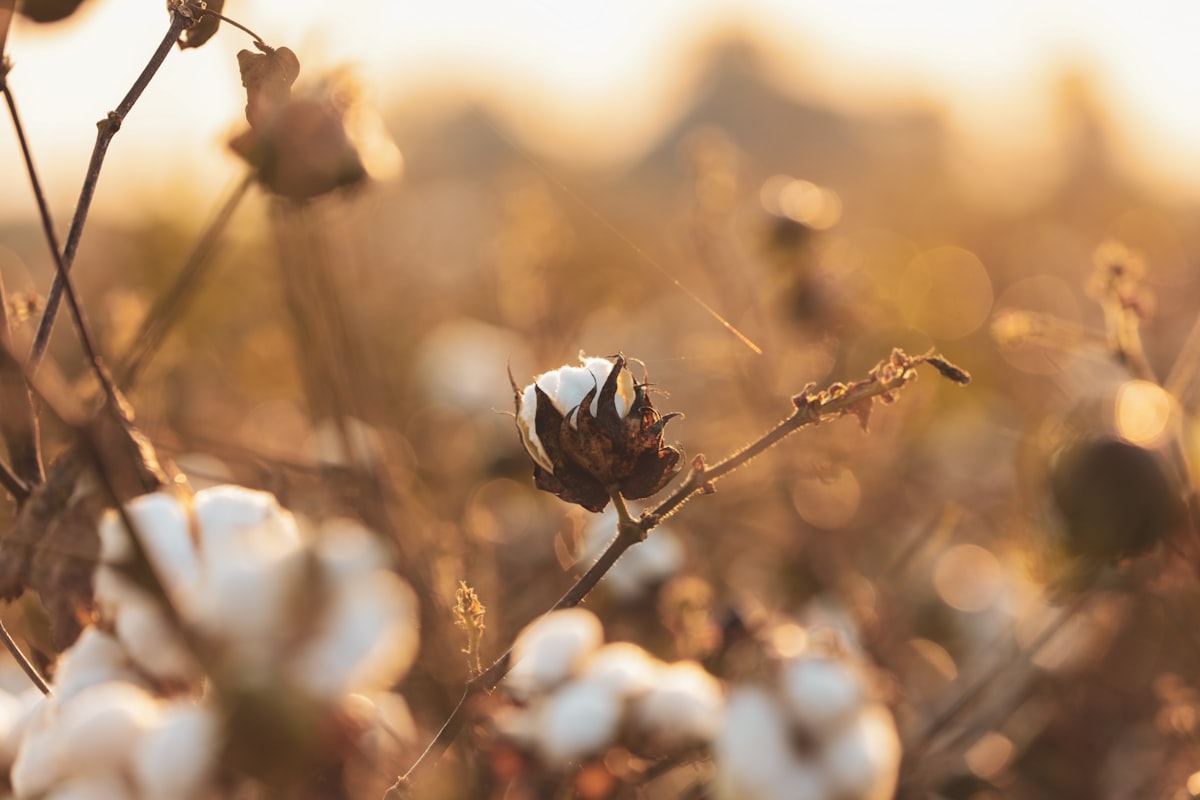
Breathability. Cotton is a naturally breathable fibre. It lets air move and helps heat escape, which matters across a long match in the sun far more than any marketing term on a synthetic tag.
Comfort. Organic cotton fibres are typically left longer and less damaged by processing, producing a softer, smoother fabric. It feels good against the skin from the first wear, not after ten washes.
Durability. Those longer, intact fibres also make for stronger yarn. A well-made organic-cotton tee holds its shape, resists thinning, and survives repeated washing — exactly what a piece worn hard, season after season, needs to do.
Conventional cotton is one of the most chemically intensive crops in the world, consuming a large share of global insecticide use. Those chemicals do not stay on the field — they reach soil, waterways, and the people who farm the crop.
Organic cotton removes the synthetic pesticides and fertilisers from that equation. It supports healthier soil, cleaner water, and safer conditions for growers. For a brand that treats sustainability as a core principle rather than a marketing line, the fabric is not a detail — it is the starting point. Choosing organic cotton is one of the most direct ways a wardrobe can lower its footprint.
There is a personal reason too, and it is easy to overlook. Conventional textile production can leave traces of the chemicals used in growing and processing. Organic cotton, grown and processed to stricter standards, keeps those residues out of the fabric.
For anyone with sensitive or reactive skin — and for everyone during a hot, sweaty match when skin is at its most vulnerable — a cleaner, softer, more natural fabric is simply more comfortable. You are pressing this material against your skin for hours. It is worth it being the good stuff.
The strongest tennis fabrics pair organic cotton with recycled fibres. Blending in recycled cotton or recycled polyester gives a garment a second environmental advantage — diverting material from waste — often while adding a little structure or stretch.
A tee in recycled organic cotton therefore does two jobs at once: it avoids the harm of conventional growing and it puts existing material back to use. That is sustainability built into the cloth itself, not added as a feature.
“Organic” is only meaningful when it is verified, so look for certification. The most recognised standard is GOTS — the Global Organic Textile Standard — which checks not only the fibre but the whole supply chain, including processing and labour conditions.
Beyond the label, trust your hands. Genuine organic cotton tends to feel softer and more substantial. Check the fabric weight too: a heavyweight organic-cotton tee signals a piece built to last, not to be replaced next season.
Good fabric rewards good care. Wash organic cotton in cool water to protect both fibres and colour. Air-dry whenever you can, since tumble-dryer heat is the main cause of cotton wearing out and shrinking. Wash only when needed rather than after every brief wear. Done this way, a quality organic-cotton piece softens and improves for years — which is the entire argument for buying it in the first place.
Why is organic cotton better for tennis apparel? It is breathable, soft, and durable, performing well across long matches while being far gentler on the environment and on skin than conventional cotton.
Is organic cotton more durable than regular cotton? Generally, yes. Organic cotton fibres are often longer and less damaged by processing, producing stronger yarn that holds shape and survives repeated washing.
Is organic cotton good for sensitive skin? Yes. Grown and processed to stricter standards, it keeps synthetic chemical residues out of the fabric, making it a cleaner, softer choice for reactive skin.
What is GOTS certification? GOTS, the Global Organic Textile Standard, is the leading certification for organic textiles. It verifies the fibre and the whole supply chain, including processing and labour conditions.
Does organic cotton perform as well as synthetic fabric? For tennis lifestyle wear, yes. It breathes naturally, feels better against the skin, lasts longer, and avoids the environmental cost of synthetics.
Organic cotton matters in tennis apparel because it is the rare choice with no trade-off: it performs better on court, it is kinder to your skin, and it does far less damage to the planet. Look for genuine GOTS-certified fabric, choose pieces with real weight, care for them well, and they will reward you with years of comfortable wear — the quiet definition of buying well.