Protection des envois en cas de perte ou de vol

Votre panier est vide.
Aller au magasin
TOTAL: €0.00

Chaque année, l'industrie du vêtement produit une quantité énorme de déchets textiles, tout en continuant à cultiver de nouvelles fibres à partir de matières premières. Le tissu recyclé interrompt ce cycle et, associé à des méthodes de culture biologique, il devient l'un des matériaux les plus responsables pour la confection d'une garde-robe. Ce guide explique… coton biologique recyclé: ce que c'est, comment ça fonctionne et pourquoi c'est un élément essentiel d'une garde-robe véritablement intemporelle.
En résumé : le coton biologique recyclé associe des fibres récupérées de textiles existants à du coton cultivé biologiquement, réduisant ainsi les déchets, la consommation d’eau et d’énergie tout en produisant un tissu doux et durable, conçu pour durer.
Le tissu recyclé est fabriqué à partir de fibres préexistantes, et non de matières premières nouvellement cultivées ou produites. Il provient de deux sources principales : les déchets pré-consommation, tels que les chutes et les surplus de fabrication, et les déchets post-consommation, tels que les vêtements en fin de vie.
Cette matière est transformée en fibre utilisable puis filée pour obtenir un nouveau fil. Le principe est le même, que la matière première soit du coton ou du polyester : le polyester recyclé, par exemple, est généralement fabriqué à partir de plastique récupéré. Dans les deux cas, l’objectif est identique : maintenir la matière en usage plutôt que de l’envoyer à la décharge et de solliciter de nouvelles ressources.
Le coton biologique recyclé allie deux bonnes pratiques. Le coton est issu de fibres cultivées biologiquement, sans pesticides ni engrais de synthèse. Le coton récupéré, provenant de chutes ou de textiles en fin de vie, est ensuite transformé en fibres et mélangé à la fibre initiale.
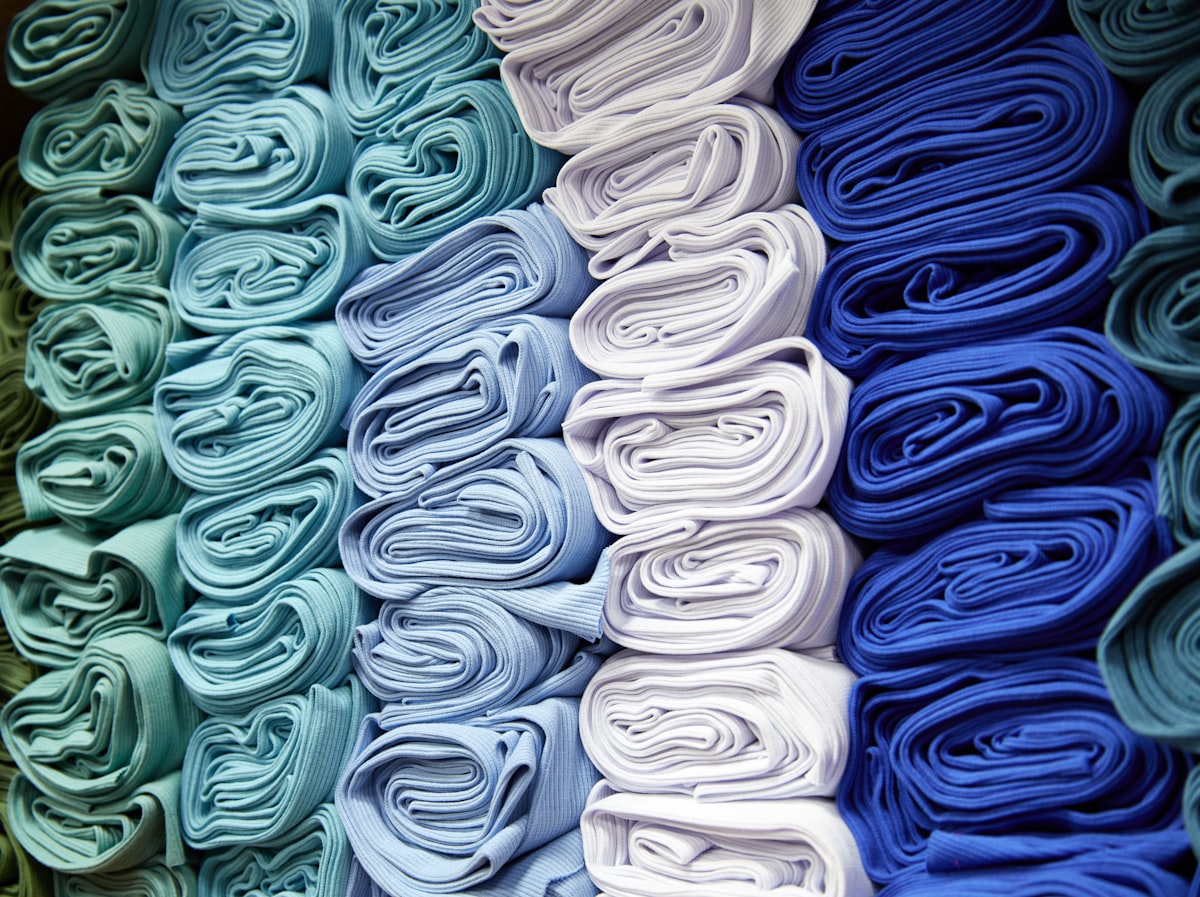
On ajoute parfois une petite proportion de polyester recyclé pour lui conférer structure et résilience. Il en résulte un tissu dont l'impact environnemental est réellement réduit à la fin de son cycle de vie : une culture plus propre à l'origine, des matériaux recyclés dans sa composition et une durabilité qui lui assure une longue durée de vie.
Les avantages du coton biologique recyclé s'accumulent tout au long du cycle de production.
Aucun tissu n'est parfait, mais le coton biologique recyclé réduit considérablement l'impact à plusieurs niveaux simultanément – c'est à cela que ressemble une véritable durabilité.
C'est une question pertinente, car le terme “ recyclé ” évoque parfois une qualité inférieure. En pratique, un coton biologique recyclé de bonne facture offre d'excellentes performances.
Il est doux, car les fibres de coton biologique sont délicates pour la peau. Il est respirant, offrant tout le confort naturel que l'on apprécie chez le coton. Et il est durable : bien mélangé et confectionné, souvent avec une touche de polyester recyclé, il conserve sa forme et résiste à l'usure. Au toucher, on ne devinerait pas qu'il est recyclé ; on le reconnaîtrait simplement comme un tissu de qualité.
Le coton biologique, à lui seul, améliore la culture de la fibre. Le recyclage, à lui seul, réduit l'utilisation de matières premières vierges. Ensemble, ils permettent de réduire l'impact environnemental du textile tout au long de son cycle de vie : plus propre au départ, éco-responsable au milieu et suffisamment durable pour en retarder la fin.
C’est pourquoi le coton biologique recyclé est bien plus qu’un simple argument marketing. Il fait partie des rares matières qui surpassent les tissus conventionnels sur de multiples points, sans pour autant sacrifier le confort ni la qualité.
Voici l'élément le plus important, et pourtant facile à négliger : la durabilité d'un vêtement dépend de sa durée d'utilisation.
Un t-shirt en coton biologique recyclé est fabriqué de manière responsable, mais son véritable impact dépend de votre utilisation pendant des années. C'est pourquoi tissu et philosophie sont indissociables. Une garde-robe intemporelle se compose de quelques pièces de qualité, aux coupes classiques et aux couleurs sobres, que l'on conserve et porte longtemps. Choisir le coton biologique recyclé est un choix judicieux en matière de matière ; choisir d'acheter moins et de garder ses vêtements plus longtemps est un comportement responsable. Le tissu soutient la philosophie, et la philosophie donne tout son sens au tissu.
Il est essentiel de vérifier les allégations. Recherchez les certifications reconnues : GOTS garantit la qualité biologique et la chaîne d’approvisionnement, tandis que des normes comme le Global Recycled Standard (GRS) attestent de la présence de matières recyclées. Consultez l’étiquette pour connaître la composition des fibres : les proportions de matières recyclées et biologiques doivent y être clairement indiquées. Enfin, faites preuve de bon sens : une marque qui place le développement durable au cœur de ses valeurs sera transparente quant à ses tissus, tandis qu’un discours “ écologique ” vague et sans fondement est généralement trompeur.
Qu'est-ce que le coton biologique recyclé ? Il s'agit d'un tissu qui mélange du coton issu de l'agriculture biologique avec des fibres recyclées provenant de textiles existants, réduisant ainsi les déchets et la consommation de ressources tout en restant doux et résistant.
Le coton recyclé est-il aussi bon que le coton neuf ? Un coton biologique recyclé de qualité offre d'excellentes performances : doux, respirant et résistant. Bien mélangé et confectionné, il est difficilement distinguable au toucher d'un tissu neuf.
Les vêtements en polyester recyclé sont-ils durables ? Le polyester recyclé réutilise des matériaux existants, souvent du plastique récupéré, réduisant ainsi le recours aux nouvelles ressources. Il est particulièrement efficace mélangé en petites quantités à un tissu en fibres naturelles pour lui conférer sa structure.
Pourquoi associer coton recyclé et coton biologique ? Le bio améliore la culture des fibres ; le recyclé réduit l’utilisation de nouvelles matières premières. Ensemble, ils diminuent l’impact environnemental d’un textile tout au long de son cycle de vie, et non pas seulement à un moment donné.
Comment savoir si un tissu est véritablement en coton biologique recyclé ? Recherchez les certifications telles que GOTS et la norme mondiale de recyclage (Global Recycled Standard), vérifiez la composition des fibres sur l'étiquette et privilégiez les marques transparentes quant à leurs matériaux.
Le coton biologique recyclé est l'une des matières les plus responsables pour composer une garde-robe : plus propre à l'origine, issu d'une économie circulaire, et durable jusqu'à la fin. Mais ce tissu ne tient toutes ses promesses que s'il est associé à la bonne philosophie : acheter moins de pièces, mais de meilleure qualité, et les conserver des années. Optez pour le coton biologique recyclé, privilégiez le classique au jetable, et vous créerez une garde-robe véritablement intemporelle, à la fois élégante et écoresponsable.