Protection des envois en cas de perte ou de vol

Votre panier est vide.
Aller au magasin
TOTAL: €0.00

Sur une étiquette de vêtement, “ coton biologique ” et “ coton ” semblent presque interchangeables : un seul mot les sépare, souvent une différence de prix minime. Pourtant, ils ne le sont pas. Cette différence influe sur l’environnement, le toucher du tissu, la durée de vie du vêtement et la sensation au contact de la peau. Il s’agit d’une comparaison directe. coton biologique contre coton conventionnel, afin que vous puissiez savoir ce que vous payez réellement.
En résumé : le coton biologique est cultivé sans pesticides ni engrais de synthèse, ce qui le rend plus respectueux de l’environnement, plus doux, souvent plus durable et plus doux pour la peau, tandis que le coton ordinaire est moins cher à produire mais nécessite beaucoup plus de produits chimiques.
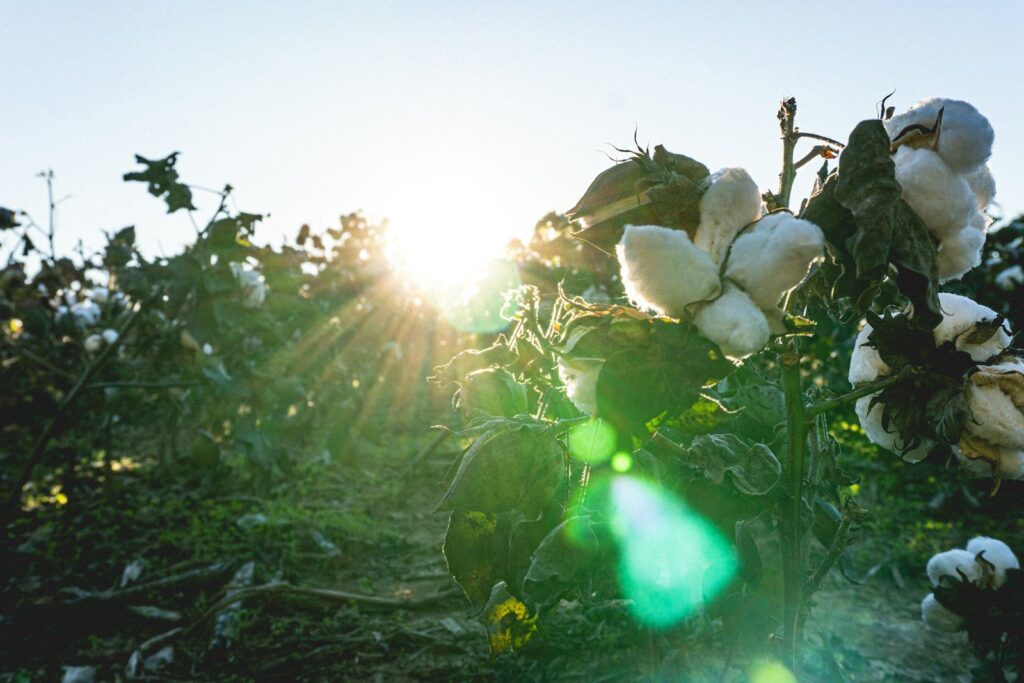
Tout commence dans les champs. Le coton conventionnel est généralement cultivé à partir de semences génétiquement modifiées, avec un usage intensif de pesticides et d'engrais de synthèse. Il est conçu pour un rendement maximal à moindre coût.
Le coton biologique est cultivé selon des normes certifiées : sans pesticides de synthèse, sans engrais de synthèse, sans semences OGM. Les agriculteurs utilisent des méthodes naturelles : rotation des cultures, lutte antiparasitaire naturelle et gestion attentive des sols. C’est la même plante, mais un système fondamentalement différent autour d’elle. Toutes les autres différences découlent de celle-ci.
C’est là que le fossé est le plus grand. Le coton conventionnel est l’une des cultures les plus intensives en produits chimiques au monde, responsable d’une part disproportionnée de l’utilisation mondiale d’insecticides. Ces produits chimiques s’infiltrent dans les sols et les cours d’eau et affectent la santé des communautés agricoles.
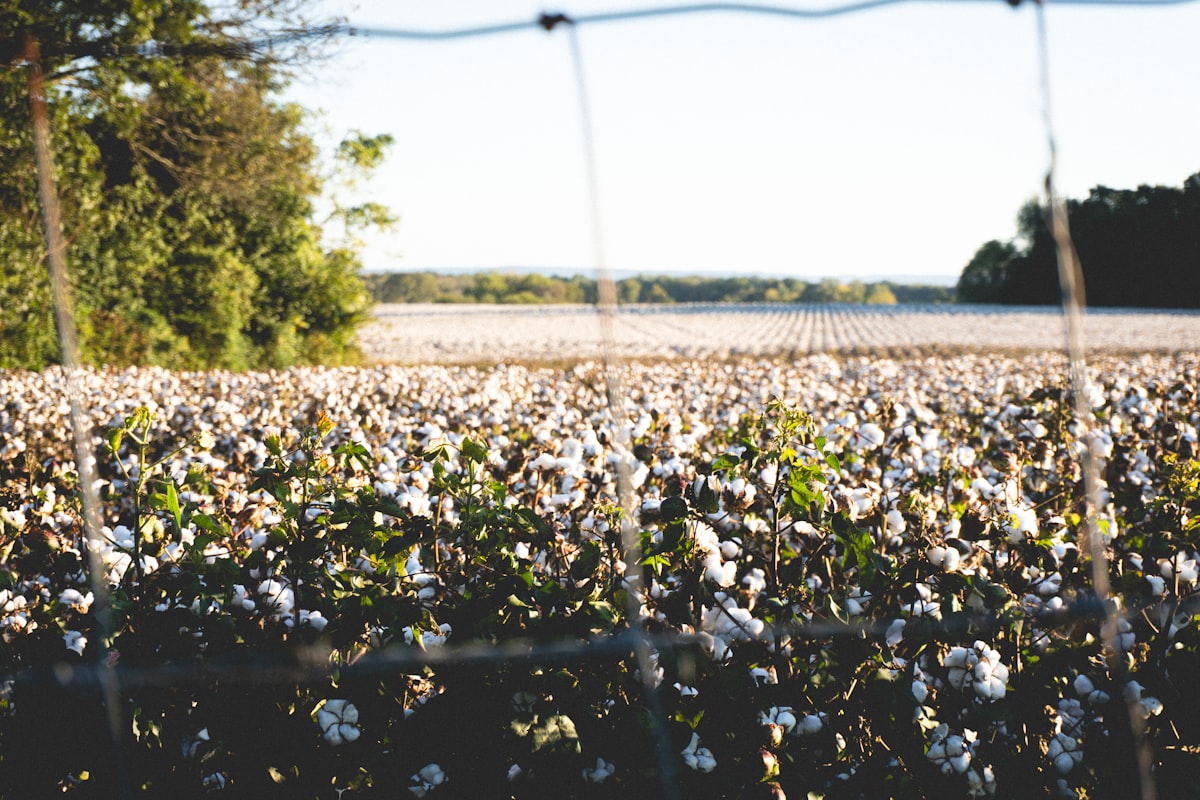
L'agriculture biologique élimine les produits chimiques de synthèse. Un sol sain, cultivé biologiquement, retient mieux l'eau et reste fertile plus longtemps. Pour quiconque s'intéresse à l'impact environnemental de ses vêtements, le mode de culture est le levier le plus important – et c'est celui sur lequel le coton biologique agit.
La différence est perceptible au toucher. Le coton biologique est souvent manipulé avec plus de douceur lors de la récolte et de la transformation, ce qui permet de préserver les fibres plus longtemps et de les abîmer moins.
Les fibres plus longues et intactes produisent un fil plus lisse et plus doux. C'est pourquoi un bon t-shirt en coton bio est souvent plus épais et plus agréable au toucher dès le premier lavage, et non après une douzaine de lavages. Le coton classique peut être tout à fait agréable, mais les modèles bas de gamme ont plus de chances d'être fins ou rêches.
La longévité d'un vêtement est directement liée à la qualité de ses fibres. Des fibres plus résistantes et plus longues permettent d'obtenir un fil plus solide, et un fil plus solide permet de confectionner un vêtement qui conserve sa forme, résiste à l'amincissement et supporte les lavages répétés.
Un vêtement en coton biologique de qualité est conçu pour durer des années. À l'inverse, le coton conventionnel bon marché s'amincit, se déforme ou bouloche souvent après une ou deux saisons. Cela change la donne en matière de coût réel : un vêtement plus cher porté pendant cinq ans peut s'avérer plus avantageux qu'un vêtement bon marché remplacé cinq fois.
Ce qui est cultivé et transformé en tissu peut y rester. La production conventionnelle de coton peut laisser des traces de produits chimiques de synthèse utilisés lors de sa fabrication. Le coton biologique, cultivé et transformé selon des normes plus strictes, est exempt de ces résidus.
Pour les peaux sensibles ou réactives, le coton biologique est un choix plus sûr et plus confortable. Et pendant l'effort physique — lorsque la peau a chaud, qu'on transpire et que le tissu est en contact avec elle pendant des heures — la peau apprécie une matière plus propre et plus naturelle.
Le coton biologique coûte généralement plus cher. Sa culture exige davantage de main-d'œuvre, les rendements peuvent être inférieurs et la certification a un coût. La question qui se pose est de savoir si ce surcoût est justifié.
Pour un article jetable à usage unique, peut-être pas. Pour un vêtement que vous comptez porter souvent et garder pendant des années, c'est généralement le cas. Vous payez pour un impact environnemental moindre, un toucher plus agréable, une durée de vie plus longue et un tissu plus sain au contact de votre peau. Si l'on considère le coût par utilisation, sur la durée de vie réelle d'un vêtement de qualité, le coton biologique s'avère souvent être le choix le plus économique, et non le plus cher.
Si vous hésitez entre les deux, quelques vérifications rapides aide. Recherchez la certification : GOTS (Global Organic Textile Standard) est la plus crédible, car elle certifie la fibre et l’ensemble de la chaîne d’approvisionnement. Touchez le tissu et vérifiez son poids ; le coton biologique de qualité est généralement plus doux et plus dense. Pensez aussi à la durée de vie : pour les vêtements que vous porterez régulièrement, la durabilité et le confort du coton biologique justifient son prix plus élevé. Pour les articles véritablement jetables, c’est moins important, mais de toute façon, il vaut mieux les acheter moins souvent.
Quelle est la différence entre le coton biologique et le coton conventionnel ? Le coton biologique est cultivé sans pesticides de synthèse, sans engrais de synthèse ni semences génétiquement modifiées, contrairement au coton conventionnel qui en dépend fortement. La méthode de culture explique toutes les autres différences.
Le coton biologique est-il vraiment meilleur pour l'environnement ? Oui. Cela élimine les pesticides et engrais synthétiques qui font du coton conventionnel l'une des cultures les plus intensives en produits chimiques, et cela favorise des sols plus sains et une eau plus propre.
Le coton biologique est-il différent au toucher du coton ordinaire ? Souvent, oui. Les fibres de coton biologique ont tendance à être plus longues et moins abîmées, ce qui donne un tissu plus doux et plus épais, agréable au toucher dès le premier lavage.
Le coton biologique est-il plus résistant ? En général, les fibres plus résistantes et plus longues donnent un fil plus résistant ; c'est pourquoi les vêtements en coton biologique de qualité conservent leur forme et durent plus longtemps que ceux en coton conventionnel bon marché.
Le coton biologique justifie-t-il son prix plus élevé ? Pour les vêtements que vous portez régulièrement et que vous gardez pendant des années, généralement oui. Un impact moindre, un meilleur confort et une durée de vie plus longue en font souvent le choix le plus avantageux à chaque utilisation.
Dans la comparaison entre le coton biologique et le coton conventionnel, le coton biologique l'emporte sur des aspects durables : impact environnemental, toucher, résistance et confort pour la peau. Le coton conventionnel, quant à lui, séduit surtout par son prix d'achat initial. Pour des vêtements que vous comptez porter souvent et conserver, cet investissement est judicieux. Misez sur des pièces moins nombreuses mais de meilleure qualité, en véritable coton biologique, et le léger surcoût sera vite amorti.